

Built In Electric Cookers
Add a review FollowOverview
-
Sectors Telecom
-
Posted Jobs 0
-
Viewed
Company Description
The Most Common Built In Oven Debate Isn’t As Black And White As You Might Think
The Ultimate Guide to Built-In Electric Ovens: Features, Benefits, and Buying Tips
Intro
As Culinary appliances practices develop and kitchen styles become more sophisticated, built-in electric ovens offer a mix of functionality and sophistication for contemporary homes. These ovens are designed to provide a seamless combination into kitchen cabinetry, boosting both performance and looks. In this article, we will check out the numerous features and advantages of built-in electric ovens, along with essential considerations for possible buyers.
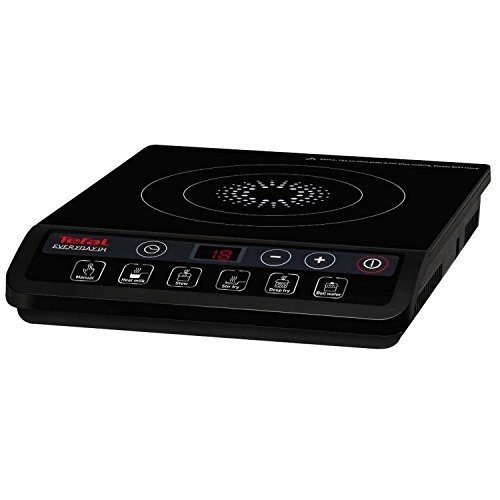
Comprehending Built-In Electric Ovens
Built-in electric ovens are installed directly into your kitchen cabinetry, freeing up counter space and lending a streamlined look to the cooking area. They come in different sizes, designs, and functionalities to match different cooking requirements and kitchen layouts.
Types of Built-In Electric Ovens
There are numerous types of built-in electric ovens, categorized based on their functionality and design:
- Single Ovens: A typical choice for households, offering adequate cooking space.
- Double Ovens: Ideal for those who cook in bigger amounts, allowing for synchronised cooking at various temperature levels.
- Wall Ovens: Installed at eye-level, making them more available than standard ovens.
- Mix Ovens: These systems integrate routine baking with convection or microwave functions, including adaptability to cooking choices.
| Type | Description | Suitable For |
|---|---|---|
| Single Oven | One cooking cavity | Small families or individuals |
| Double Oven | Two separate cooking cavities | Large families or devoted cooks |
| Wall Oven | Mounted at eye-level | Ease of access and style |
| Mix Oven | Provides multiple cooking approaches | Versatility in cooking |
Key Features of Built-In Electric Ovens
Built-in electric ovens come loaded with features developed to enhance the cooking experience. Here are some typical credit to think about:
Convection Cooking: Many modern-day electric ovens included a convection option, which distributes hot air for even cooking and quicker baking.
Smart Technology: Integration with clever home systems enables users to control their oven remotely through mobile phones.
Self-Cleaning Options: Self-cleaning modes burn off food residues, making it simple to preserve hygiene without substantial scrubbing.
Variable Temperature Controls: Adjustable temperature level settings for precise cooking, suitable for baking fragile pastries or roasting meats.
Interior Lighting: Bright lighting inside the oven aids in keeping an eye on food without unlocking.
Long lasting Materials: High-quality products, such as stainless-steel or ceramic interiors, improve durability and ease of cleaning.
Advantages of Built-In Electric Ovens
Space Efficiency: By incorporating the oven into kitchen cabinetry, homeowners can optimize kitchen area for other appliances and storage.
Aesthetic Appeal: Built-in models contribute to an elegant kitchen design, providing a tidy, minimalist appearance.
Increased Accessibility: Wall-mounted ovens remove the requirement for bending down, providing simpler access for users of any ages.
Adaptability: With various settings and functions, electric ovens accommodate numerous cooking styles and choices.
Precision Cooking: Electric ovens tend to offer more precise temperature level control compared to gas designs, making sure constant cooking outcomes.
Contrast of Built-In Electric Ovens
Picking the ideal built-in electric oven can be overwhelming due to the variety of choices readily available. Here’s a quick contrast table of some popular brands:
| Brand | Design | Capacity | Special Features | Price Range |
|---|---|---|---|---|
| Whirlpool | WOS51EC0HS | 5.0 cu ft | Smart technology, self-cleaning | ₤ 1,200 – ₤ 1,500 |
| Samsung | NV51K6750CG | 5.8 cu ft | Double convection, Wi-Fi connection | ₤ 1,400 – ₤ 2,000 |
| Bosch | HBL8453UC | 4.6 cu feet | European design, numerous cooking modes | ₤ 1,500 – ₤ 2,500 |
| KitchenAid | KBSN608ESS | 6.4 cu feet | Sleek design, temperature level probe | ₤ 1,800 – ₤ 2,400 |
| LG | LWS3063ST | 6.3 cu ft | SmartThinQ innovation, convection | ₤ 1,400 – ₤ 2,100 |
Frequently Asked Questions (FAQs)
1. What is the average lifespan of a built-in electric oven?
Built-in electric ovens normally have a life-span of around 13 to 15 years, depending on usage and maintenance.
2. How do I maintain my built-in electric oven?
Routine cleaning, avoiding severe chemicals, and ensuring proper ventilation throughout cooking will help maintain your oven’s performance.
3. Are built-in electric ovens energy efficient?
Yes, most built in range-in electric ovens are created to be energy-efficient, built in oven and hob with functions that decrease energy use while optimizing cooking efficiency.
4. Can I install a built-in integral electric ovens oven myself?
It is recommended to work with an expert plumber or electrical expert for installation, as proper electrical connections are important for safety.
5. What are the common sizes for built-in electric ovens?
Standard sizes normally range from 24 inches to 30 inches broad, though custom alternatives might be readily available.
Built-in electric ovens have actually become a popular option for homeowners looking to enhance their kitchen with built in oven‘s functionality and style. With a range of choices, functions, and technology available, investing in a built-in electric oven can raise the cooking experience while including value to your home. When picking the best model, consider your cooking needs, general kitchen style, and budget to guarantee that your option works as a smooth and stylish addition to your culinary space.