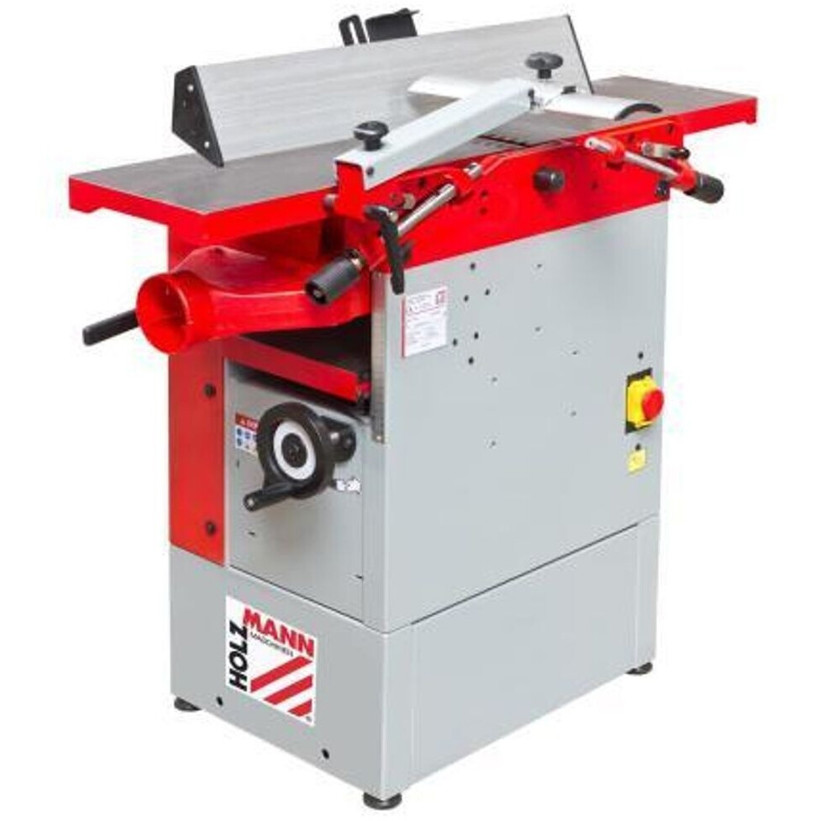
Hobelmaschinen-Lieferung
Add a review FollowOverview
-
Sectors Telecom
-
Posted Jobs 0
-
Viewed
Company Description
Three Reasons Why The Reasons For Your Planing Machines Models Is Broken (And How To Fix It)
Exploring Planning Machines: Models, Features, and Applications
Planning machines, a vital part in the production industry, play an essential role in forming metal and wood pieces to precision. The diversity of preparing machine models readily available in the market today accommodates a plethora of industries and applications. This blog post looks into the different models of planning machines, their functions, and their applications, providing a thorough overview of this essential devices.
Comprehending Planning Machines
Planning machines are specialized tools used for removing materials from the surface area of workpieces. Usually, they utilize a single-point cutting tool to convert rough surface areas into smooth, uniform finishes. These machines can run on various products, consisting of metals, wood, and artificial products.
Core Types of Planning Machines
There are several types of preparing machines, each developed for specific jobs and applications. Below are the primary types:
-
Horizontal Planing Machines
- Description: These machines have a horizontal worktable and are best fit for machining flat and grooved surface areas.
- Applications: Ideal for big workpieces that need straight cuts.
-
Vertical Planing Machines
- Description: Unlike their horizontal counterparts, vertical preparation machines have actually a vertically oriented surface area.
- Applications: Suitable for detailed designs and comprehensive work on smaller sized elements.
-
Universal Planing Machines
- Description: These machines can perform various operations by allowing versatile adjustments to the workpiece’s position.
- Applications: Perfect for intricate machining tasks that require versatility.
-
Profile Planing Machines
- Description: Specifically created for forming profiles on workpieces with guided cutting courses.
- Applications: Widely used in the furniture and kitchen cabinetry market for complex woodwork.
Contrast of Planning Machine Models
The table listed below summarizes the crucial features and applications of different planning maker models:
| Model | Type | Secret Features | Normal Applications |
|---|---|---|---|
| Horizontal Planing Machine | Horizontal | Flat worktable, effective cutting action | Large metal parts, wood beams |
| Vertical Planing Machine | Vertical | Adjustable height, fine control over positioning | Little parts, intricate details |
| Universal Planing Machine | Universal | Multiple modifications, versatile operation | Complex machining tasks, customization |
| Profile Planing Machine | Profile | Directed paths, specialized for profiles | Detailed wood styles, furniture making |
Key Features of Planning Machines
When picking a planning maker, specific functions should be taken into account:
- Size and Capacity: Size matters depending upon the designated application. Larger machines deal with wider and longer workpieces, whereas smaller machines are more fit for precision tasks.
- Cutting Speed: The speed at which a preparation maker runs significantly impacts efficiency. Adjustable speed settings are perfect for diverse applications.
- Toughness: Robust building materials extend device life and maintain precision throughout operations.
- Alleviate of Use: User-friendly machines allow operators to perform jobs effectively and safely with very little training.
Applications of Planning Machines
Planning machines find applications across numerous markets. Below are a few noteworthy areas:
- Manufacturing: Essential for producing parts that require high precision and smooth finishes for equipment.
- Construction: Used to form steel and Beste Hobelmaschinen (hikvisiondb.webcam) wood beams, guaranteeing they fit perfectly for structural integrity.
- Furniture Industry: Profile planing machines are important in crafting customized designs and detailed woodwork for cabinets and other furniture.
- Automotive: Precision shaping of parts is important, making preparation machines a need in parts producing.
- Aerospace: High precision parts are necessary in this industry, necessitating the usage of advanced preparation machines.
Often Asked Questions (FAQ)
1. What is the primary difference in between horizontal and vertical preparation machines?
Answer: The main distinction depends on the orientation of the worktable. Horizontal machines are better for larger flat surfaces, while vertical machines excel at managing intricate information and smaller sized parts.
2. How do I figure out the best size planning device for my requirements?
Answer: Consider the measurements of the workpieces and Easy-To-Use Planing Machines the complexity of the jobs. For big, flat products, select bigger machines; for detailed work, smaller sized and more versatile models might be more effective.
3. Are preparing machines easy to operate?
Response: Most modern planning machines include easy to use functions, however operators must still undergo training to understand the maker’s functions and guarantee safe operation.
4. What maintenance is needed for planning machines?
Answer: Regular upkeep consists of inspecting and lubing moving parts, Hobelmaschinen Online Kaufen making sure cutting tools are sharp, and consistently cleaning the device to prevent debris accumulation.
5. Can planning machines be used for materials other than metal?
Answer: Yes, in addition to metals, planning machines can effectively deal with wood and synthetics, depending on the design and its setup.
Planning machines are vital in numerous industries, providing diverse functionalities and applications customized to specific needs. Comprehending the different models and their functions helps companies pick the best equipment, making sure precision in machining jobs.
As innovation continues to progress, planning machines will only end up being more efficient, Hobelmaschinen – funsilo.Date – making them even more important to the manufacturing process. Whether in furniture production, vehicle, or building, these machines are destined to remain crucial players in shaping the future of manufacturing.
By thinking about the details presented in this short article, makers, craftsmen, and engineers can make educated choices concerning planning machines that best fit their operational needs, paving the way for improved performance and output quality.