

Robot Hoover And Mop
Add a review FollowOverview
-
Sectors Warehouse
-
Posted Jobs 0
-
Viewed 11
Company Description
You’ll Never Be Able To Figure Out This Autonomous Vacuum’s Secrets
Exploring the Future of Home Cleaning: Autonomous Vacuum Robots
In the ever-evolving landscape of home technology, autonomous vacuum robots have emerged as a game-changer for modern homes. These smart gadgets are not just a luxury; they are ending up being significantly essential for hectic families and people who value cleanliness and efficiency. This post digs into the functionalities, benefits, and developments of autonomous vacuum (www.arliefewell.top) robotics, offering a thorough guide for anyone considering adding one to their home.
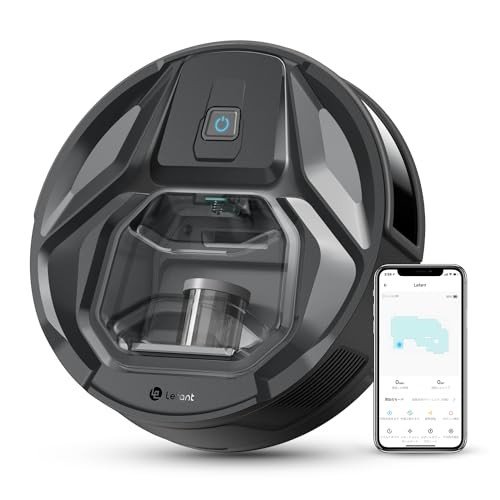
What Are Autonomous Vacuum Robots?
Autonomous vacuum robotics, frequently referred to as robotic vacuums or robovacs, are intelligent cleaning gadgets that operate without human intervention. Geared up with innovative sensors, mapping technology, and AI algorithms, these robotics can navigate through a home, identify and clean dirt and particles, and return to their charging dock when the battery is low. They are created to preserve a consistent level of cleanliness in various environments, including hardwood floorings, carpets, and tiles.
Secret Features and Technologies
Mapping and Navigation
- Laser Mapping (LIDAR): Many high-end robovacs utilize LIDAR technology to create an in-depth map of the home. This permits the robot to browse efficiently, preventing obstacles and covering every inch of the floor.
- Visual Simultaneous Localization and Mapping (vSLAM): Similar to LIDAR, vSLAM uses electronic cameras and image processing to map and navigate the home. This technology is typically more affordable and equally efficient in many situations.
Sensors and Obstacle Avoidance
- Bump Sensors: These sensors discover when the robot has bumped into a things, allowing it to alter instructions to avoid further collisions.
- Cliff Sensors: These sensing units avoid the robot from falling off stairs or other raised surface areas by spotting sharp drops.
- Dust Detection: Some designs are geared up with sensors that can spot dirt and particles, permitting the robot to focus on areas that require more cleaning.
Cleaning Performance
- Brush Systems: Robovacs come with various brush configurations, consisting of side brushes and primary brushes, to effectively clean various surface areas.
- Suction Power: The suction power of a robovac is crucial for its cleaning effectiveness. Greater suction power is typically required for carpets and pet hair.
- Filter Systems: Most designs have HEPA filters to trap fine particles and improve indoor air quality.
Connectivity and Control
- Wi-Fi Integration: Many robovacs can be controlled by means of a smartphone app, permitting users to schedule cleanings, monitor progress, and receive informs.
- Voice Assistants: Compatibility with voice assistants like Amazon Alexa and Google Assistant includes another layer of benefit, making it possible for users to start or stop cleaning with basic voice commands.
Benefits of Autonomous Vacuum Robots
Convenience
- Autonomous vacuums can be arranged to clean at specific times, making sure a consistently clean home without manual effort.
- Users can control the robot remotely, making it easy to start a cleaning session from anywhere.
Performance
- These robots can clean areas that are tough to reach or neglected, such as under furniture and in corners.
- They utilize smart algorithms to optimize cleaning paths, reducing the time and energy required for comprehensive cleaning.
Energy and Cost Savings
- Routine cleaning can help extend the life of carpets and floors, potentially conserving money on replacements.
- Lots of robovacs are energy-efficient, utilizing less power compared to conventional vacuum cleaners.
Health Benefits
- Efficient cleaning can lower dust, irritants, and bacteria, enhancing indoor air quality and creating a healthier living environment.
- HEPA filters can capture fine particles that are often missed by standard cleaning methods.
Advancements and Future Trends
Artificial Intelligence and Machine Learning
- AI and maker learning are being integrated into robovacs to improve their decision-making and flexibility. For example, some designs can learn the design of a home with time and adjust their cleaning patterns accordingly.
Multi-Floor Cleaning
- Advanced models can browse between several floorings, making them ideal for larger homes and homes.
Self-Emptying Systems
- Some high-end robovacs featured self-emptying dustbins, which can hold up to numerous weeks’ worth of dirt before needing to be emptied.
Enhanced Battery Life
- Battery innovation is continuously advancing, leading to longer functional times and quicker charging cycles.
Combination with Smart Home Systems
- Robovacs are progressively being incorporated with smart home systems, enabling smooth control alongside other gadgets like smart lights and thermostats.
Frequently Asked Questions About Autonomous Vacuum Robots
Q: Are autonomous vacuum robots suitable for homes with animals?
- A: Yes, many robovacs are developed to manage pet hair and dander. Models with strong suction power and specialized brush systems are particularly reliable for pet owners.
Q: How frequently should I clean my robovac?
- A: It is recommended to clean the brushes, filters, and dustbin after each use to guarantee optimum efficiency. Furthermore, routine deep cleaning of the robot’s components can help keep its efficiency.
Q: Can robovacs tidy stairs?
- A: Most robovacs are created to tidy flat surfaces and will avoid stairs due to cliff sensing units. However, some designs can browsing single actions or perhaps entire staircases, though this is less typical.
Q: Are robovacs loud?
- A: Most robovacs are designed to operate quietly, but the sound level can differ depending on the design and suction power. Some designs use a “peaceful mode” for very little disturbance.
Q: Can robovacs change a standard vacuum cleaner?
- A: While robovacs are exceptional for preserving day-to-day tidiness, they might not be as powerful as conventional vacuum for deep cleaning or handling large quantities of dirt and debris. Nevertheless, they can substantially lower the frequency of manual cleaning.
Tips for Choosing the Right Autonomous Vacuum Robot
Think about the Size of Your Home
- Choose a design that can efficiently clean the square video footage of your home. Some robovacs are better matched for studio apartments, while others are developed for larger houses.
Evaluate the Terrain
- If your home has numerous floorings or various types of floor covering, try to find a robovac that can manage these challenges. Designs with strong suction power and versatile brush systems are perfect for homes with carpets and pet hair.
Inspect Battery Life
- Guarantee the robot has a battery life that suffices for cleaning your home in one go. Some models have longer battery life and can return to their charging dock to recharge and resume cleaning.
Review Connectivity Options
- If you wish to manage the robot remotely or integrate it with your smart home system, try to find designs with Wi-Fi and voice assistant compatibility.
Think About Additional Features
- Features like self-emptying, irritant filtering, and virtual borders can enhance the user experience and effectiveness of the robovac.
Maintenance and Troubleshooting
Routine Cleaning
- Clean the brushes, filters, and dustbin after each use to prevent obstructing and maintain performance.
Look for Obstacles
- Ensure that the robot’s path is without barriers like little objects, cords, and furnishings. This can assist prevent the robot from getting stuck or harmed.
Software Updates
- Keep the robot’s software up to date to take advantage of the latest features and improvements.
Typical Issues and Solutions
- Robot Gets Stuck: Clear the location of challenges and look for any tangled cables or particles in the brushes.
- Low Battery: Ensure the robot is returning to its charging dock which the dock is functioning correctly.
- Filthy Filters: Replace or clean up the filters as suggested by the producer.
Autonomous vacuum robotics represent a significant advancement in home cleaning technology. They provide convenience, performance, and health advantages, making them an important addition to modern-day homes. As technology continues to evolve, these robots are ending up being smarter, more powerful, and more integrated into our every day lives. Whether you are a busy expert, a pet owner, or just someone who values a clean and organized home, an autonomous vacuum robot can help you accomplish your cleaning objectives with minimal effort.
By thinking about the key features, benefits, and maintenance requirements, you can select the right robovac for your needs and take pleasure in a cleaner, more comfy living area. The future of home cleaning is here, and it is smarter than ever.