

Fascia Board Repair
Add a review FollowOverview
-
Sectors Farming
-
Posted Jobs 0
-
Viewed
Company Description
Eaves Replacement Tools To Make Your Daily Lifethe One Eaves Replacement Technique Every Person Needs To Be Able To
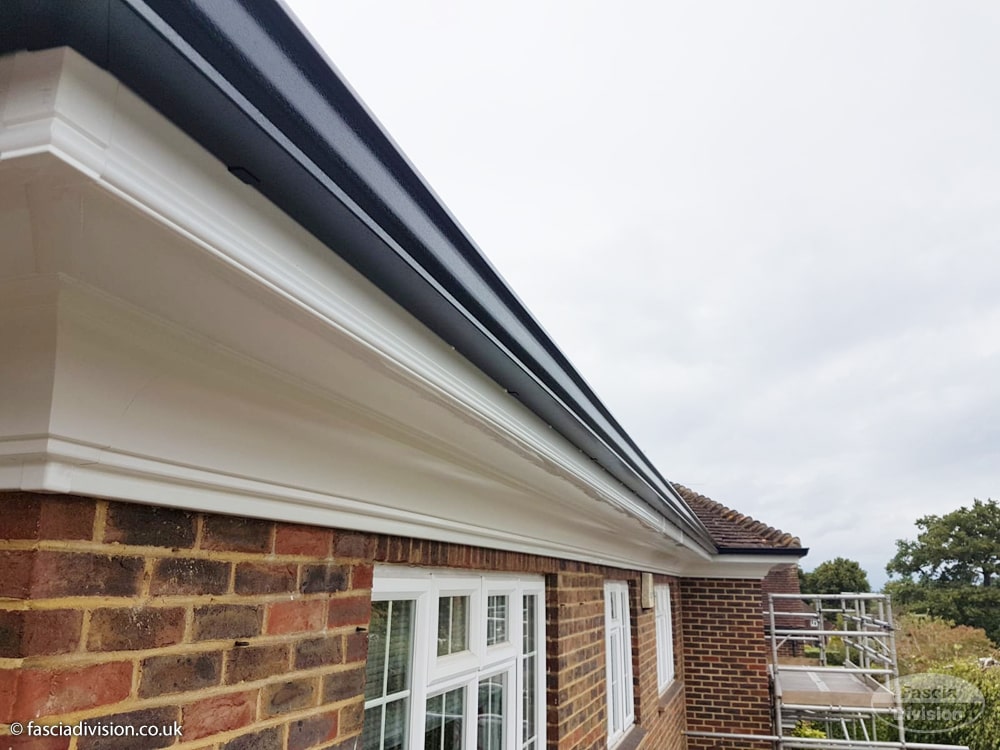
Soffit Repair: A Comprehensive Guide
Soffits play an essential role in maintaining the structural stability and visual appeal of a home. Located below the roofing system overhang, they offer ventilation to the attic and safeguard the rafters from the aspects. However, in time, soffits can end up being damaged due to wetness, bugs, or weather. This post will check out the importance of soffits, common signs of damage, techniques for repair, and frequently asked questions to gear up homeowners with the knowledge they require.
Tabulation
- Understanding Soffits
- Common Causes of Soffit Damage
- Indications of Soffit Damage
- Soffit Repair Techniques
- Maintenance Tips
- Frequently asked questions
- Conclusion
1. Comprehending Soffits
Soffits serve a number of functions:
- Ventilation: They assist in airflow to the attic, assisting to prevent heat build-up and moisture build-up.
- Visual Appeal: Available in numerous products and finishes, soffits boost the outside appearance of a home.
- Protection: They protect the eaves Replacement and rafters from insects and weather-related damages.
2. Common Causes of Soffit Damage
A range of aspects add to the deterioration of soffits. Below is a table outlining common causes:
| Cause | Description |
|---|---|
| Wetness | Water leaks from roofing or clogged up gutters can trigger rot, especially in wooden soffits. |
| Insects | Pests like termites and wasps may infest soffits, compromising their stability. |
| Weather | Extreme temperatures, rain, and heavy winds can wear down products in time. |
| Overlook | Absence of regular maintenance can lead to unnoticed damage that intensifies over time. |
3. Indications of Soffit Damage
Recognizing the early signs of soffit damage is key to preventing more substantial repairs. Property owners need to watch out for:
- Discoloration: Dark areas or discolorations can indicate water damage.
- Sagging or Bulging: This may suggest structural problems or degeneration of the material.
- Cracks: Several fractures can enable bugs to infiltrate the soffit.
- Existence of Pests: Evidence of infestations or nesting can indicate damaged locations.
4. Soffit Repair Techniques
Fixing soffits can vary in complexity depending on the degree of the damage. Below are typical repair techniques outlined in a table.
| Repair Method | Description | Problem Level |
|---|---|---|
| Cleaning up | Get rid of dirt, mold, and debris to bring back appearance. | Easy |
| Painting | Repaint to cover staining, protecting against wetness. | Easy |
| Covering | Fill in little fractures or holes with caulking or a patching substance. | Moderate |
| Replacement Panels | Change harmed sections with new panels, matching the existing product. | Moderate to Hard |
| Complete Roofline Replacement | Eliminate and replace entire soffit due to comprehensive damage or rot. | Hard |
Step-by-Step Repair Guide for Minor Repairs
Step 1: Assess the DamageDetermine the extent of the damage to decide on the appropriate repair method.
Action 2: Gather Tools and MaterialsVital materials may consist of:
- Caulk or patching substance
- Paint and guide
- Soffit panels (if needed)
- Ladder and security gear
Step 3: Clean the SoffitClear any debris or mold to prepare the surface area for repair.
Step 4: Apply the Repair
- For cracks: Fill with caulk.
- For small holes: Use patching compound or replace panels.
Step 5: Paint (if suitable)If required, use a coat of primer followed by paint for defense.
Step 6: Inspect for Future IssuesLook for signs of moisture or insects to prevent reoccurrence.
5. Maintenance Tips
Avoiding soffit damage is vital for long-term integrity. Here are some maintenance tips:
- Regular Inspections: Check for signs of damage at least twice a year.
- Gutter Maintenance: Clean gutters to avoid water overflow.
- Bug Control: Implement insect prevention procedures around the home.
- Ventilation: Ensure correct ventilation to decrease moisture accumulation in the attic.
6. FAQs
Q1: How much does soffit repair normally cost?A: Costs can vary based upon the level of the damage and materials utilized. Small repairs may cost in between ₤ 100 to ₤ 300, while full replacements can range from ₤ 300 to ₤ 1,000 or more.
Q2: Can I repair soffits myself?A: Yes, minor repairs such as cleaning, painting, or patching can frequently be done by homeowners. Nevertheless, fascia and soffit Experts more substantial damage might require professional aid.
Q3: How often should I examine my soffits?A: It’s suggested to examine your soffits two times a year, particularly before and after severe weather condition changes.
Q4: What products are soffits generally made of?A: Soffits can be made from numerous products, consisting of wood, aluminum, vinyl, and fiber cement.
Q5: What are the effects of neglecting harmed soffits?A: Ignoring damaged soffits can cause more considerable problems such as bug invasions, mold development, and deterioration of roofing structures.
7. Conclusion
Soffits are an integral part of a home’s roof, playing important roles in ventilation, look, and security from external aspects. Regular maintenance and awareness of prospective damage can significantly extend their lifespan. If repairs are needed, house owners should evaluate the damage, pick the proper method, and follow best practices to ensure a successful repair. Soffit repair not just improves the home’s look but also contributes to its overall health and security. By staying proactive with assessments and maintenance, homeowners can avoid costly repairs in the future.