

Dickenhobel Mit Absaugung
Add a review FollowOverview
-
Sectors Education
-
Posted Jobs 0
-
Viewed 1
Company Description
Looking For Inspiration? Look Up Router Comparison
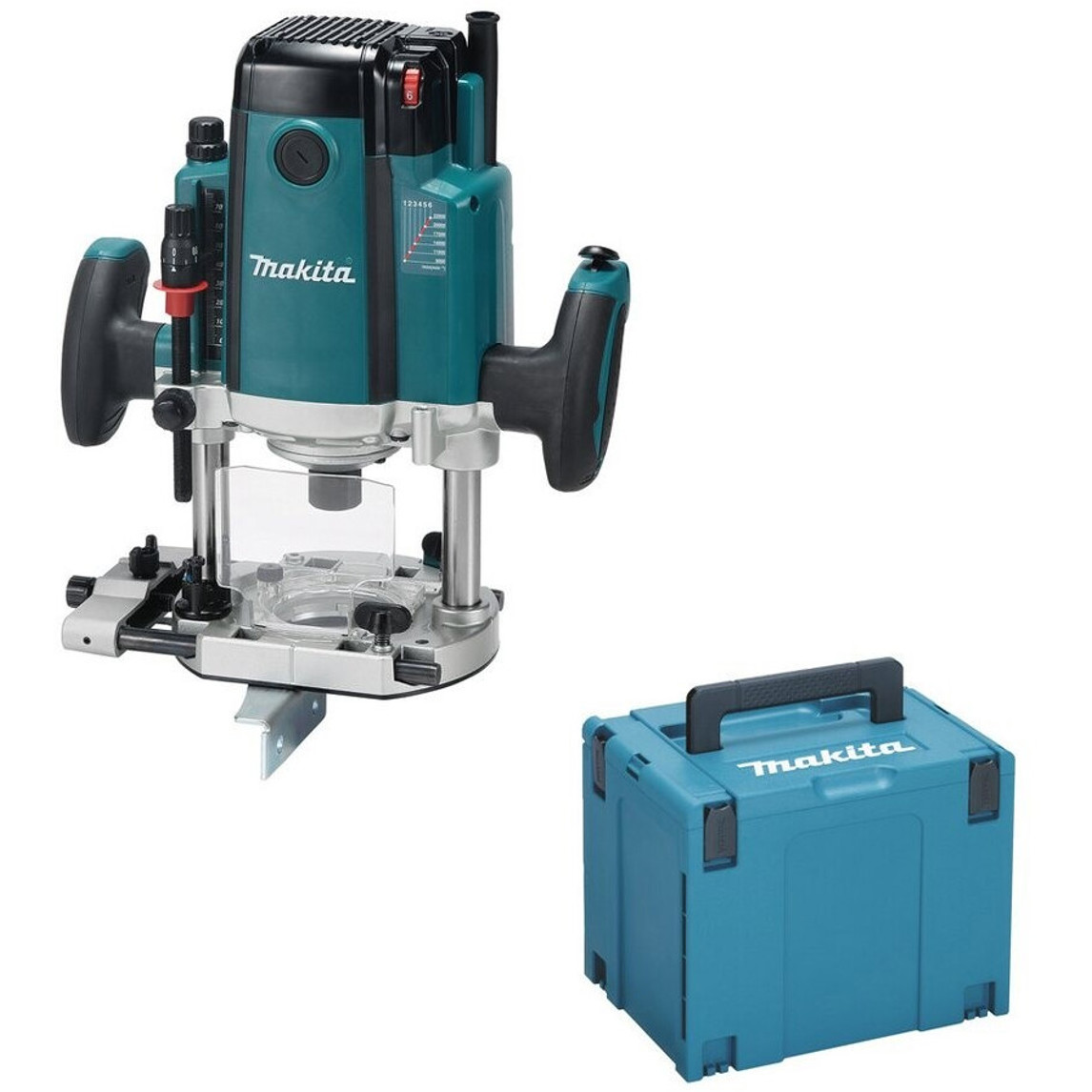
Router Comparison: Choosing the Right Router for Your Needs
In a significantly digital world, having a trusted and efficient web connection is necessary for both individual and professional activities. The backbone of any web connection is the router, a device that directs network traffic and guarantees the stability of your Oberfräse Online Bestellen presence. With a countless number of routers readily available in the market, selecting the ideal one can be a complicated task. This blog post aims to offer a comprehensive comparison of various routers, analyzing their features, efficiency, and viability for various requirements.
Comprehending Router Types
Before diving into the comparison, it’s essential to comprehend different router types offered today:
Single-band Routers: These routers operate on one frequency band (2.4 GHz), making them ideal for basic web use such as web browsing and e-mail.
Dual-band Routers: Supporting both 2.4 GHz and 5GHz frequency bands, these routers offer greater flexibility and faster speeds, dealing with a wider variety of activities like streaming and gaming.
Tri-band Routers: Featuring one 2.4 GHz band and two 5GHz bands, these routers are ideal for high-traffic environments like big homes or offices with several devices linked simultaneously.
Fit Together Wi-Fi Systems: A network of nodes that supply smooth coverage across big locations. They are best for eliminating dead zones and guaranteeing a stable connection in multi-story homes.
Secret Router Features
When comparing routers, Abricht Dickenhobel Kombimaschine a number of important functions must be considered:
Speed: Measured in Mbps (Megabits per second), router speed figures out how rapidly data can be sent. Look for routers that offer higher speed requirements for much better performance.
Variety: The protection area is important. A router should offer adequate variety to cover your entire living space.
Security Features: MauernutfräSe Für Stahlbeton Mit Diamantscheiben Angebot Look for routers with advanced security procedures (WPA3), integrated firewall programs, and malware protection to protect your network.
Variety of Ports: Consider the number of devices you desire to connect directly. More Ethernet ports can offer much faster connections for desktops or video gaming consoles.
Interface and Management: A friendly user interface can make establishing and managing your router easier, while mobile apps can boost ease of usage.
Router Comparison Table
To facilitate an informed decision, here’s a comparison of some popular routers across various features:
| Router Model | Type | Speed (Mbps) | Range | Security Features | Price (Approx.) |
|---|---|---|---|---|---|
| TP-Link Archer A7 | Dual-band | 1750 | 2,500 sq feet | WPA2, Guest Network | ₤ 60 |
| Netgear Nighthawk AX12 | Tri-band | 4804 | 3,500 sq ft | WPA3, Smart Connect | ₤ 500 |
| ASUS RT-AX88U | Dual-band | 6000 | 3,000 sq feet | WPA3, AiProtection | ₤ 300 |
| Google Nest Wi-Fi | Fit together | 2200 | 4,400 sq feet | WPA3, Regular Updates | ₤ 270 |
| Linksys EA8300 | Tri-band | 4000 | 3,000 sq ft | WPA2, Guest Access | ₤ 250 |
Pros and Cons of Different Router Types
Single-band Routers
Pros:
- Generally more budget-friendly.
- Simplicity in setup and use.
Cons:
- Limited to basic tasks.
- Blockage in congested locations can cause poor performance.
Dual-band Routers
Pros:
- Better speed and reduced disturbance.
- Suitable for moderate gaming and streaming.
Cons:
- Can end up being overwhelmed in high-traffic areas.
Tri-band Routers
Pros:
- Optimal for big households or workplaces with numerous devices.
- Exceptional performance for gaming and heavy media intake.
Cons:
- Higher price point.
- May be more intricate to configure.
Fit Together Wi-Fi Systems
Pros:
- Eliminates dead zones and provides smooth coverage.
- Scalable; quickly include nodes to broaden protection.
Cons:
- Generally more expensive.
- Can need more preliminary setup.
Frequently Asked Questions (FAQs)
1. What speed do I need in a router?
Identifying the speed you need depends upon your internet usage. For casual browsing and emailing, speeds of 25-50 Mbps suffice. For elektrohobel Test streaming HD videos and online video gaming, go for 100 Mbps or higher.
2. Is a tri-band router worth the price?
For households with many gadgets or a high demand for simultaneous connections, a tri-band router can significantly improve efficiency and connection, making it worth the investment.
3. What is the difference in between Wi-Fi 5 and Wi-Fi 6?
Wi-Fi 6 (802.11 ax) provides enhanced speeds, better effectiveness, and improved capacity for multiple devices over Wi-Fi 5 (802.11 ac). If you have lots of devices or require the most recent technology, WI-Fi 6 is a robust option.
4. Can I utilize a router with my existing modem?
Yes, many routers work with existing modems. Ensure that your modem and router can work together by examining their specifications.
5. How typically should I replace my router?
Normally, routers must be replaced every 3-5 years, or whenever your internet speed requirements increase or you experience bad connectivity regularly.
Selecting the ideal router is a crucial choice that can considerably affect your online experience. By examining your needs– whether it’s for daily browsing, video gaming, or handling a wise home– users can limit the choices from single-band, dual-band, tri-band, to fit together systems. Depending on individual requirements, such as budget, speed, and protection, the ideal router can significantly enhance connection and user satisfaction. With the details provided in this post, readers are well-equipped to make a notified decision on the router that best fits their needs.