

Hobelmaschinen Für Möbel
Add a review FollowOverview
-
Sectors Automotive
-
Posted Jobs 0
-
Viewed 1
Company Description
15 Gifts For The Planing Machines For Carpentry Lover In Your Life
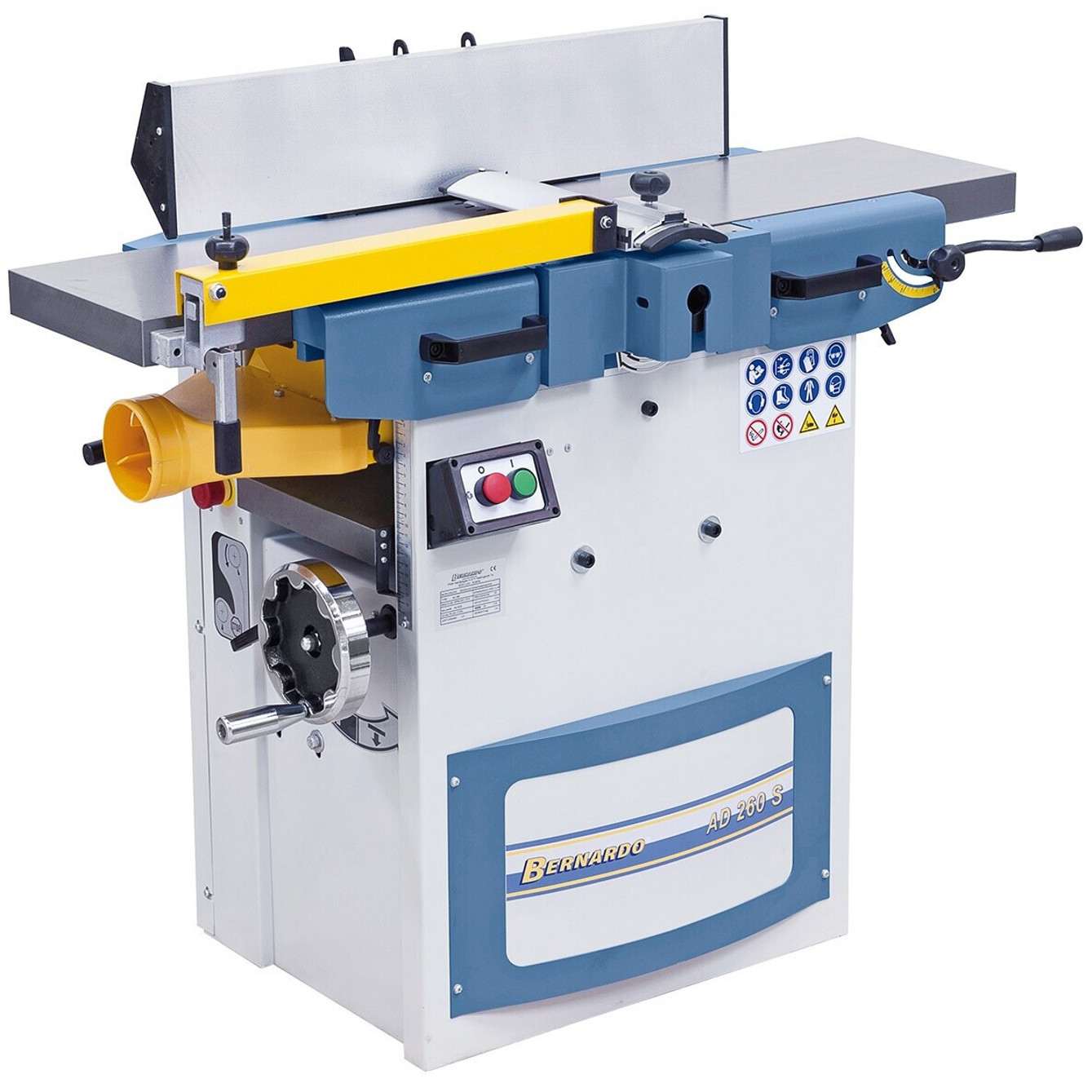
Planning Machines for Carpentry: A Comprehensive Guide
When it concerns woodworking and carpentry, precision and performance are critical. One of the important tools that can considerably boost these qualities is the planning device. This blog site post will explore the different types of planning machines, their applications, advantages, and maintenance, supplying an in-depth summary for both beginner carpenters and experienced professionals.
What is a Planning Machine?
A planning maker, frequently described as a planer, is used in wood processing to create smooth, flat surfaces on wood boards. It achieves this by shaving off thin layers of product from the surface of the wood, thus improving its visual and functional quality. A planer is specifically important for preparing rough lumber for furniture making, cabinets, and other woodworking projects.
Types of Planning Machines
There are numerous kinds of planning machines, each serving a special function and offering specific features. Here’s a breakdown of the primary types:
| Type of Planning Machine | Description | Typical Uses |
|---|---|---|
| Density Planer | A fixed tool that gets rid of product from the surface area of wood to attain consistent thickness. | Preparing stock, smoothing surface areas |
| Hand Planer | A by hand operated tool that is frequently utilized for fine-tuning and information work on wood surface areas. | Edge smoothing, shaping, and fitting |
| Electric Hand Planer | A portable electric version of the hand planer that permits for quick changes and ease of usage. | Quick edge smoothing and surface area prep |
| Jointers | Often puzzled with planers, jointers are used to flatten one side of a board or square-up edges. | Edging, flattening, and squaring wood |
| Surface Planer | A large, industrial device developed for high-volume lumber processing and smoothing large boards. | Furniture production, cabinetry |
Advantages of Using a Planning Machine
Utilizing a preparation maker brings many benefits to carpentry, consisting of:
- Precision: Planers shave off product evenly, ensuring smooth surfaces with accurate measurements.
- Performance: These machines considerably reduce the time required to achieve a completed product compared to manual techniques.
- Versatility: Different kinds of planers accommodate a variety of woodworking requirements, from little, in-depth tasks to massive projects.
- Quality of Finish: An organizer leaves less tool mark and achieves an exceptional surface finish compared to manual sanding and filing.
- Cost-Effectiveness: For professional carpenters, the investment in a quality planning machine can lead to significant labor cost savings and better output.
Choosing the Right Planning Machine
Picking the suitable planning maker for your carpentry requires needs mindful consideration of several elements:
- Project Scope: For massive projects, investing in a density planer or surface area planer may be justified, while smaller sized jobs can make use of a hand or electric planer.
- Wood Type: Certain woods might require customized equipment or blades, especially hard or heavy types.
- Budget: Prices for planers can vary commonly. Evaluating both initial investment and long-term worth is crucial.
- Area Availability: Stationary machines need more shop area than portable hand planers. Think about the workshop size when selecting your equipment.
Table: Planning Machine Specifications Comparison
| Requirements | Thickness Planer | Hand Planer | Electric Hand Planer | Jointers | Surface Planer |
|---|---|---|---|---|---|
| Power Source | Electric | Manual | Electric | Electric | Electric |
| Weight | Heavy | Light | Moderate | Heavier | Heavy |
| Area | Wide | N/A | N/A | Narrow | Wide |
| Blades | 2-4 | 1 | 1 | 2 | 3-4 |
| Cost Range | ₤ 300 – ₤ 2,000 | ₤ 20 – ₤ 100 | ₤ 50 – ₤ 300 | ₤ 500 – ₤ 3,000 | ₤ 1,000 – ₤ 5,000 |
Upkeep of Planning Machines
Correct maintenance of preparing machines is vital for making sure durability and optimal performance. Here are some important pointers:
- Regular Cleaning: Wood shavings and dust can build up and affect the maker’s efficiency. Frequently tidy the maker, including the blades and tables.
- Blade Replacement: Dull blades can lead to tear-out and an imperfect surface. Frequently inspect and replace dull blades as required.
- Lubrication: Ensure moving parts are well-lubricated to prevent wear and tear, which can also affect precision.
- Calibration: Periodically inspect for precise settings and measurements, guaranteeing the machine operates within its defined tolerances.
- Professional Servicing: For heavy-use machines, consider having a professional service technician service the planer annually for comprehensive maintenance.
Frequently Asked Questions (FAQs)
Q1: What is the very best kind of preparing device for hobbyists?
A1: For hobbyists, an electric hand planer is typically the best choice due to its portability, ease of usage, and cost. Density planers are likewise suitable if more considerable projects are prepared for.
Q2: How often should I change the blades on my planer?
A2: This mostly depends on usage, however as a guideline of thumb, planers must have their blades changed after about 5 to 10 hours of use for more difficult woods, and every 15 to 20 hours for softer materials.
Q3: Can I use a planer on wood?
A3: Yes, planers are developed to deal with hardwood, however it is necessary to guarantee that the blades are sharp, and the maker is appropriately adjusted to avoid damaging the wood.
Q4: What security precautions should I take when utilizing a preparation device?
A4: Always wear appropriate safety equipment, consisting of goggles and ear security. Make sure the wood is safe and Holzbearbeitungshobelmaschinen online kaufen secure before planing and avoid using loose clothes that might get captured in the machine.
Planning machines are vital tools in carpentry that supply the precision, efficiency, and quality needed for woodworking projects. By comprehending the various types available, their advantages, and best practices for maintenance, woodworkers can substantially improve their craftsmanship. Purchasing the best preparation equipment is vital for elevating woodworking skills and making the most of job outcomes. Whether for hobbyists or professional carpenters, choosing the suitable planning maker can result in a more efficient and pleasurable woodworking experience.