

Affordable Soffit Replacement
Add a review FollowOverview
-
Sectors Construction
-
Posted Jobs 0
-
Viewed
Company Description
You’ll Be Unable To Guess Soffit And Fascia Replacement’s Secrets
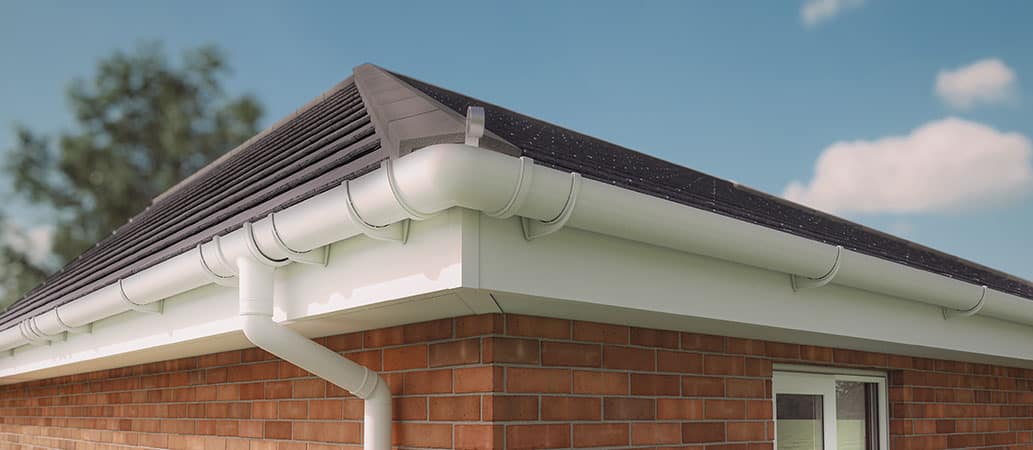
Soffit and Fascia Replacement: A Comprehensive Guide
Soffit and fascia may not be the very first terms that come to mind when homeowners consider their homes, but they play crucial roles in both aesthetics and functionality. With time, these parts of your roofline can become used or damaged due to weather, insects, or basic age. This post will check out the value of soffit and fascia, factors for replacement, the replacement process, and frequently asked questions.
Comprehending Soffit and Fascia
Before diving into Gutter Replacement details, it’s essential to understand what soffit and fascia are.
What is Soffit?
Soffit refers to the underside of the eaves or overhanging areas of your roof. It is often ventilated, enabling air circulation into the attic and safeguarding the roofing from moisture accumulation, which can result in mold development and rot.
What is Fascia?
Fascia is the horizontal board that runs along the edge of the roof. It serves as a barrier in between the roof and the outside elements, providing support for the lower roofline and serving as a mounting point for seamless gutters.
Table 1: Functions of Soffit and Fascia
| Component | Function |
|---|---|
| Soffit | – Ventilates the attic to avoid moisture buildup – Protects rafters from weather condition damage – Enhances the visual appeal of the home |
| Fascia | – Supports the edge of the roofing system – Serves as a base for gutters – Provides visual appeal to the roofline |
Reasons for Replacement
There are a number of reasons property owners may require to consider replacing their soffit and fascia:
- Damage from Weather: Storms, hail, and heavy rains can damage soffit and fascia, leading to degeneration and jeopardized structural integrity.
- Pest Infestation: Rodents, bugs, and birds might discover their way into damaged soffits, resulting in problems that can damage the home.
- Rot and Decay: Wooden soffits or fascia are especially prone to rot when exposed to moisture, resulting in a need for replacement.
- Climate Adaptation: Homeowners may choose to change soffit and fascia to much better suit their regional climate, going with materials that stand up to extreme weather condition conditions.
- Aesthetic Upgrade: Aging or outdated Expert Soffit Installation and fascia can detract from a home’s curb appeal, triggering homeowners to invest in an upgrade.
Table 2: Signs You Need to Replace Soffit and Fascia
| Sign | Description |
|---|---|
| Visible Deterioration | Cracks, rot, or falling pieces are apparent. |
| Insect Activity | Indications of rodents or pests near the roofline. |
| Wetness Problems | Mold or mildew in the attic or near roofing system locations. |
| Poor Air Circulation | Increased energy costs due to ventilation issues. |
| Discoloration | Fading colors or discolorations on the soffit/fascia. |
The Replacement Process
Replacing soffit and fascia might seem overwhelming, but with proper preparation, it can be an uncomplicated task. Below is a step-by-step guide to the replacement procedure:
Step 1: Assess the Structure
Before starting any replacement, it is vital to assess the condition of the existing soffit and fascia. Identify the degree of the damage and whether any underlying structural issues need addressing.
Step 2: Choose Replacement Materials
Select materials that best suit your home’s requirements and climate. Common soffit and Fascia And Soffit Specialists materials consist of:
- Vinyl: Low-maintenance and resistant to moisture and insects.
- Aluminum: Lightweight with exceptional resilience and insulation residential or commercial properties.
- Wood: Traditional and visually enticing however requires routine maintenance.
Action 3: Gather Tools and Materials
Ensure you have the following tools and products on hand:
- Ladder
- Security safety glasses
- Hammer
- Nail weapon
- Utility knife
- Measuring tape
- New soffit and fascia materials
- Fasteners
Step 4: Remove Old Material
Thoroughly remove the old soffit and fascia, ensuring not to damage surrounding locations. It’s vital to use protective gear throughout this procedure.
Step 5: Install New Soffit and Fascia
Begin by setting up the brand-new fascia board at the roofing’s edge, guaranteeing it’s protected with proper fasteners. Next, set up the soffit panels, starting from one end and working your way to the other, making sure proper spacing for ventilation where required.
Action 6: Cleanup and Final Touches
As soon as installation is complete, tidy up any particles and make sure all tools are put away. It’s likewise a good opportunity to repaint or complete the soffit and fascia to boost their look.
Table 3: Average Costs of Soffit and Fascia Replacement
| Material Type | Rate per square foot | Estimated Total for 1,000 sqft |
|---|---|---|
| Vinyl | ₤ 2 – ₤ 5 | ₤ 2,000 – ₤ 5,000 |
| Aluminum | ₤ 3 – ₤ 6 | ₤ 3,000 – ₤ 6,000 |
| Wood | ₤ 4 – ₤ 8 | ₤ 4,000 – ₤ 8,000 |
Frequently Asked Questions (FAQ)
Q1: How frequently should soffit and fascia be changed?
A1: It varies depending upon products and environment conditions. Generally, you ought to inspect them every 5-10 years for any indications of wear.
Q2: Can I replace soffit and fascia myself?
A2: While it’s possible for useful house owners, the installation can be challenging. If you are not comfy working at heights or absence experience, employing a professional is recommended.
Q3: What are the advantages of utilizing vinyl over wood for soffit and fascia?
A3: Vinyl is more resistant to wetness and insects and needs less maintenance compared to wood, which is prone to rot and requires regular treatment.
Q4: Will changing soffit and fascia enhance my home’s energy effectiveness?
A4: Yes, correct ventilation from a brand-new soffit can improve air flow in the attic, potentially reducing cooling and heating costs.
Q5: How can I preserve my new soffit and fascia?
A5: Regularly examine for any damage, clean gutters to prevent overflow, and wash vinyl or aluminum surface areas to prevent accumulation.
Soffit and fascia replacement is an often-overlooked yet vital element of home maintenance. By understanding their value and recognizing the signs that suggest the requirement for replacement, property owners can preserve both the visual appeals and structural integrity of their homes. Whether tackling the project themselves or working with professionals, remaining informed leads to better options and a properly maintained home.