

Builtin Oven
Add a review FollowOverview
-
Sectors Health Care
-
Posted Jobs 0
-
Viewed 1
Company Description
10 Things Your Competition Can Teach You About Built-In Oven

Understanding Built-in Ovens and Hobs: The Perfect Kitchen Combination
As modern-day cooking areas progress, built-in appliances are becoming progressively popular for both functionality and looks. Amongst these appliances, built-in ovens and hobs stand out as vital elements for any culinary enthusiast or home cook. This short article checks out the advantages, features, and factors to consider surrounding built-in ovens and hobs. It likewise addresses typical questions, offering a comprehensive guide to these kitchen basics.
What are Built-in Ovens and Hobs?
Built-in ovens are integrated into kitchen cabinetry, producing a streamlined, smooth appearance. They can be found in various types, consisting of traditional, convection, and steam ovens, each accommodating different cooking methods. Hobs, on the other hand, are the cooking surfaces that incorporate with the kitchen counter top. They can be gas, electric, or induction, permitting cooks to choose based upon their cooking style and energy choice.
Advantages of Built-in Ovens and Hobs
- Space-Saving: Built-in models optimize kitchen space by eliminating the requirement for freestanding systems, creating an open and airy environment.
- Aesthetic Appeal: Their sleek style adds to a modern, structured look in the kitchen with built in oven and microwave.
- Improved Functionality: Built-in ovens typically come with sophisticated cooking technology, offering a variety of functions like self-cleaning and smart controls.
- Customization: Manufacturers offer a range of finishes and designs, permitting house owners to tailor their appliances to match their kitchen décor.
Types of Built-in Ovens
1. Conventional Ovens
Standard ovens use glowing heat from the bottom and can be perfect for baking.
2. Convection Ovens
Stove have a fan that circulates hot air, ensuring even cooking. They lower cooking time and are ideal for roasting meats or veggies.
3. Steam Ovens
Steam ovens utilize damp heat to cook food, preserving nutrients and flavors. They are becoming progressively popular among health-conscious cooks.
4. Microwave Ovens
These ovens supply quick heating and cooking and serve various functions, from reheating leftovers to baking.
Kinds of Hobs
1. Gas Hobs
Gas hobs utilize gas or lp for cooking. They provide immediate heat control, making them a preferred among expert chefs.
2. Electric Hobs
Electric hobs have solid or ceramic surfaces that heat up via electric coils. They are easy to clean but may take longer to heat than gas models.
3. Induction Hobs
Induction hobs use electromagnetic energy to directly heat up pots and pans, offering fast heating and energy efficiency. They cool down quickly and supply a safer cooking experience.
Factors to Consider When Choosing Built-in Ovens and Hobs
When choosing built-in ovens and hobs, a number of aspects ought to be considered:
1. Space Limitations
Measure the offered space in your kitchen to guarantee that the appliances will fit flawlessly into the cabinetry.
2. Cooking Style
Consider your cooking routines. If you often bake, a convection inbuilt oven might be ideal. Meanwhile, induction hobs are great for security and efficiency.
3. Budget plan
Prices varies significantly based on features and brand names. Setting a budget plan helps limit the choices.
4. Energy Source
Identify whether you desire gas or Electric ovens built In appliances. This decision can affect cooking performance and utility costs.
5. Aesthetics
Pick finishes and styles that match your kitchen’s style. Stainless-steel is a popular choice for a contemporary appeal.
Contrast of Built-in Ovens and Hobs
| Feature | built in range cooker-in Oven | built in range oven-in Hob |
|---|---|---|
| Type | Convection, steam, and so on. | Gas, electric, induction |
| Cooking Versatility | High | Moderate to high |
| Cleaning Ease | Differs by model | Usually easy to tidy |
| Installation Style | Integrated in cabinets | Flush with countertop |
| Energy Efficiency | Varies by model | Induction normally most efficient |
Frequently Asked Questions About Built-in Ovens and Hobs
1. Are built-in ovens more expensive than freestanding designs?
Yes, built-in ovens normally include a greater rate tag due to their design and installation requirements. Nevertheless, they often provide advanced functions.
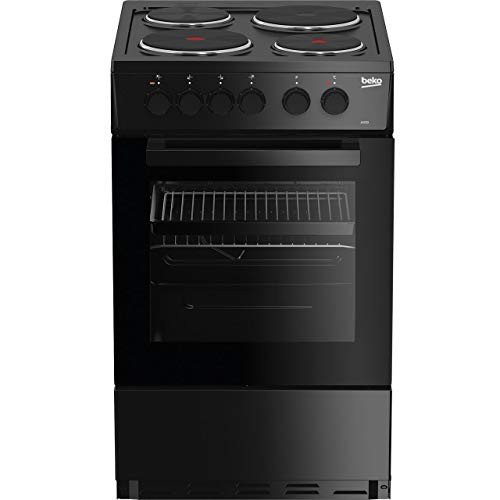
2. Can I change my existing freestanding oven with a built-in design?
Yes, it’s possible to replace a freestanding oven with a built-in model, but you might require to make adjustments to your kitchen cabinetry and kitchen layout.
3. What upkeep do built-in ovens and hobs require?
Routine cleansing is necessary. Numerous built-in ovens featured self-cleaning features. It’s likewise important to keep the hobs complimentary of spills and grease.
4. Are induction hobs safe for families?
Induction hobs are considered safer than gas or electric choices due to the fact that they just heat the pots and pans, reducing the threat of burns or accidents.
5. How can I maximize the efficiency of my built-in oven and hob?
To maximize effectiveness, always preheat the oven when needed, use the proper size pots or pans on the hob, and think about utilizing the recurring heat from your hob after cooking.
Built-in ovens and hobs supply many benefits, making them popular options for contemporary cooking areas. Their space-saving designs, advanced functions, and visual appeal contribute to their high need. By considering aspects like space, cooking style, and budget, property owners can select the ideal combination of appliances that best fit their culinary needs. Whether through gas, electric, or induction hobs, and a variety of oven types, the ideal built-in oven kitchen appliances can improve the cooking experience while raising the total aesthetic of the kitchen.