

Cargo Storage Containers
Add a review FollowOverview
-
Sectors Telecom
-
Posted Jobs 0
-
Viewed
Company Description
How Much Can Cargo Containers Experts Earn?
Exploring the World of Used Cargo Containers: A Comprehensive Guide
In recent years, the popularity of used cargo containers has actually skyrocketed, thanks to their versatility and price. Originally designed to withstand the rigors of global shipping, these robust metal boxes provide a wide range of applications beyond their preliminary function. From storage solutions to special housing tasks, used cargo containers are improving how people and businesses see area and sustainability. This article dives deep into the various elements of used cargo containers, their potential usages, benefits, factors to think about when acquiring, and frequently asked concerns.
The Basics of Used Cargo Containers
Cargo containers have actually been used for years in the shipping market. Once they reach the end of their shipping life, a number of these containers are offered at a fraction of their original cost. This opens up a myriad of possibilities for individuals and companies seeking to utilize them for different purposes.
Table 1: Common Uses for Used Cargo Containers
| Usage Case | Description |
|---|---|
| Storage Solutions | Perfect for long-term storage of devices, automobiles, or products. |
| Office | Can be transformed into portable workplaces for on-site work. |
| Living Space | Used in innovative housing tasks, including small homes. |
| Retail Stores | Adapted into pop-up stores or special retail experiences. |
| Workshops | Serves as a work space for crafts or commercial activities. |
| Mobile Clinics | Used in health care for mobile centers in remote areas. |
| Occasion Spaces | Can be transformed into bars, lounges, or exhibit areas. |
With these wide-ranging applications, it’s clear that used cargo containers offer innovative solutions for numerous obstacles.
Benefits of Using Used Cargo Containers
The benefits of using used cargo containers extend beyond cost savings. Here are some crucial advantages:
Durability: Constructed from weather-resistant steel, cargo containers can endure severe ecological conditions.
Cost-efficient: Used containers are substantially cheaper than new ones, making them accessible for different budget plans.
Sustainability: Repurposing containers is an ecologically friendly option, decreasing waste and the need for new materials.
Flexibility: Their modular design allows for easy stacking, carrying, and repurposing.
Security: Containers are lockable and offer a secure storage option for valuable possessions.
Mobility: Containers can be moved easily, making them perfect for short-lived or changing areas.
Table 2: Pros and Cons of Used Cargo Containers
| Pros | Cons |
|---|---|
| Economical prices | May have cosmetic wear or damage |
| Versatile applications | Transport costs may use |
| Easy to modify | Zoning regulations may limit use |
| Strong and weatherproof | Possible rust and rust problems |
| Quick delivery availability | Minimal modification options |
Factors to Consider When Buying Used Cargo Containers
When thinking about the purchase of a used cargo container, several aspects should be taken a look at:
Container Condition: Check for rust, damages, or leakages. A thorough inspection is crucial to making sure the container satisfies your needs.
Container Size: Common sizes consist of 20-foot and 40-foot containers. Consider what you prepare to store or build and pick accordingly.
Regional Regulations: Research local zoning laws and guidelines relating to the usage of cargo containers in your location.
Transport Options: Understand the logistics of transporting the container to your preferred place.
Personalization Needs: If modifications are expected (windows, doors, electrical systems), ensure that the container can accommodate these changes.
Getting Source: Investigate credible dealerships or auctions to ensure you’re purchasing from a credible source.
Table 3: Different Sizes of Cargo Containers
| Size | Dimensions (L x W x H) | Approx. Volume | Typical Use |
|---|---|---|---|
| 20-ft Standard | 20′ x 8′ x 8.5′ | 1,172 cu ft | Storage, little offices |
| 40-ft Standard | 40′ x 8′ x 8.5′ | 2,390 cu feet | Bigger storage needs |
| 40-ft High Cube | 40′ x 8′ x 9.5′ | 2,694 cu ft | Taller storage requires |
| 45-ft High Cube | 45′ x 8′ x 9.5′ | 3,040 cu ft | Max. storage |
Regularly Asked Questions (FAQs)
1. Are used cargo containers safe for property use?
Yes, as long as you ensure correct ventilation and insulation, used cargo containers can be safe for property use.
2. How can I customize a cargo container for usage as an office?
Modifications can consist of cutting windows and doors, including insulation, electrical circuitry, and a/c units. It’s advisable to speak with professionals who focus on container modifications.
3. Can I place a cargo container on my house?
This depends upon regional zoning laws and guidelines. Talk to regional authorities to see what is acceptable before purchasing.
4. Just how much does a used cargo container typically cost?
Prices can vary from ₤ 1,500 to ₤ 5,000, depending on the size and condition of the container.
5. What maintenance is required for used cargo containers?
Regular maintenance includes examining for rust or corrosion, ensuring that locks and hinges operate effectively, and occasionally looking for leakages.
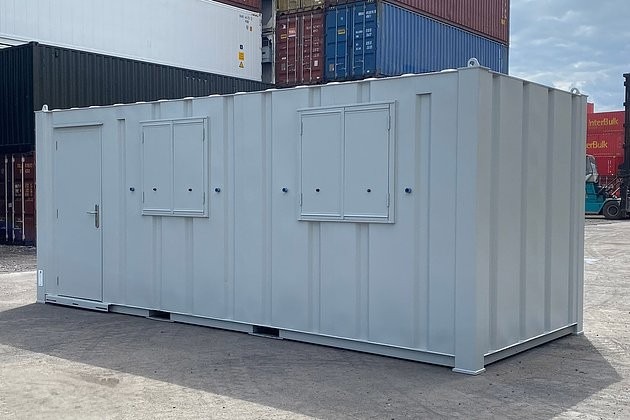
Used cargo containers present an ingenious and economical service for numerous storage and construction needs. Their sturdiness, flexibility, and sustainability credit to their growing popularity amongst individuals and services. As interest continues to increase, comprehending how to navigate the process of purchasing and repurposing these containers becomes important.
Whether considering a container for storage, a portable office, or perhaps a special home, the world of used cargo containers provides amazing possibilities. By weighing the benefits against potential drawbacks and remaining notified about regulations and best practices, anyone can effectively integrate used cargo containers into their lives or business. The pattern is not almost efficiency but likewise about welcoming sustainability and imagination in design.