

Fräsmaschinen Für Jedes Budget Kaufen
Add a review FollowOverview
-
Sectors Construction
-
Posted Jobs 0
-
Viewed
Company Description
This Is The Ultimate Guide To Buy Milling Machines For Workshops
The Essential Guide to Buying Milling Machines for Workshops
In the world of production and fabrication, milling machines play a crucial role, working as a backbone in workshop operations. Their versatility makes them an important financial investment for businesses ranging from small hobby stores to big industrial operations. This post aims to supply an extensive guide on acquiring milling machines for workshops, Preiswerte Fräsmaschinen with an emphasis on picking the ideal design, Preiswerte Fräsmaschinen understanding their specifications, and understanding the upkeep requirements.
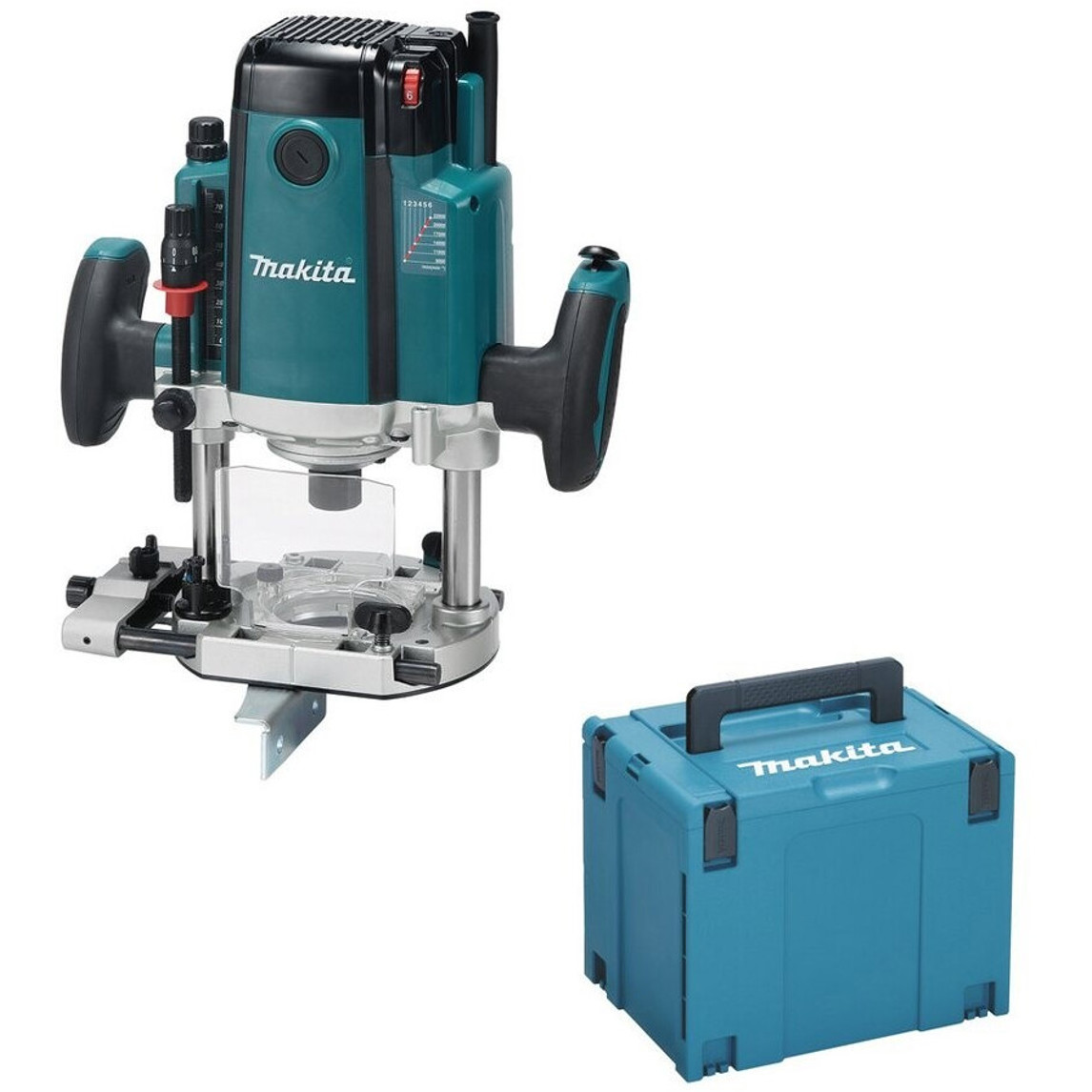
What is a Milling Machine?
A milling machine is a machine tool used for the shaping and cutting of products, generally metal or plastic, by utilizing a rotating cutter. It comprises different parts like the worktable, cutting tools, spindle, and feed systems. Cutting is performed in numerous instructions, allowing the machine to carry out a range of complex shapes and angles.
Kinds Of Milling Machines
Before investing in a milling machine, it’s vital to comprehend the numerous types readily available. Below is a breakdown of the most typical ones used in workshops:
| Type | Description | Best For |
|---|---|---|
| Vertical Milling Machine | Features a vertical spindle and is perfect for cutting and drilling. | Precision jobs needing vertical cuts. |
| Horizontal Milling Machine | Uses a horizontal spindle to perform the cutting operation. | Bigger workpieces and heavy-duty operations. |
| CNC Milling Machine | Computer System Numerical Control (CNC) machines provide automated operations with high precision. | Mass production and detailed designs. |
| Benchtop Milling Machine | Compact and generally manual, appropriate for small shops. | Beginners, DIY lovers, and small-scale operations. |
| Universal Milling Machine | Geared up with a table that can pivot, enabling angular cuts. | Flexible operations requiring angled cuts. |
Aspects to Consider When Buying a Milling Machine
When choosing a milling machine for a workshop, numerous factors need to be considered to ensure you are making an informed choice:
Budget: Set a clear budget before you begin. Milling machines can range from a few hundred dollars for fundamental models to 10s of thousands for industrial-grade CNC machines.
Area: Assess the available office. Some machines are bulky and require considerable area, while others are compact and can fit in smaller sized shops.
Product Types: Determine what products you will be working with. Various machines have differing abilities in concerns to the kind of products they can efficiently cut.
Workpiece Size: The dimensions of the biggest workpiece you plan to machine will dictate the machine’s size and capability.
Precision Requirements: If your projects need high precision, buying a CNC machine may be required.
Upkeep: All machines need upkeep; nevertheless, some are easier to preserve than others.
Functions: Look for additional functions that can enhance productivity, such as automatic feed, digital screens, or advanced safety features.
Brand Reputation: Choose brands understood for their reliability and fräsmaschinen mit weltweitem versand kaufen client service. Check out client reviews or consult other workshop specialists for recommendations.
Expense Breakdown of Milling Machines
The price of milling machines can vary extensively based upon their features and capabilities. Here’s a rough breakdown:
| Type of Milling Machine | Price Range | Applications |
|---|---|---|
| Benchtop Milling Machine | ₤ 500 – ₤ 3,000 | Hobby projects, small parts |
| Vertical Milling Machine | ₤ 2,500 – ₤ 20,000 | General machining, simple operations |
| CNC Milling Machine | ₤ 15,000 – ₤ 100,000+ | Precision work, mass production |
| Horizontal Milling Machine | ₤ 10,000 – ₤ 50,000 | Heavy-duty operations, large components |
| Universal Milling Machine | ₤ 8,000 – ₤ 30,000 | Flexible operations |
Maintenance of Milling Machines
Constant upkeep is essential to prolonging the life of milling machines and guaranteeing they operate at peak efficiency. Here is a fundamental list:
- Daily Maintenance: Clean the machine bed, check for loose parts, and lube moving parts.
- Weekly Maintenance: Inspect the belts and bearings, tightening or Elektrische Fräsmaschinen Kaufen changing them as necessary.
- Regular monthly Maintenance: Conduct a thorough inspection of all fluids, replace filters, and examine electrical components.
- Yearly Maintenance: Professional maintenance must be set up to ensure all parts operate properly and securely.
Frequently Asked Questions (FAQ)
What is the main distinction between vertical and horizontal milling machines?
Vertical milling machines have a vertical spindle, permitting vertical cuts, while horizontal machines have a horizontal spindle enabling various cutting angles and designs.
Are CNC milling machines suitable for newbies?
While CNC machines use high precision and efficiency, they likewise need a specific level of technical understanding. Novices may find manual machines easier to begin with before transitioning to CNC.
What types of products can be cut utilizing milling machines?
Common materials consist of metals like aluminum, brass, steel, and plastics, like PVC and nylon. The proper machine type and FräSmaschinen FüR WerkstäTten Kaufen tool type will depend on the product.
How much space is required for a milling machine?
It varies by model. Benchtop machines occupy less than 2 square feet, while bigger machines may need approximately 10 square feet or more.
How do I know which milling machine is right for my workshop?
Think about elements such as your workshop size, budget, needed precision, and the type of products you prepare to work with before choosing.
Purchasing a milling machine is a considerable commitment, however it can significantly enhance the capabilities of any workshop. By understanding the types, specs, and upkeep requirements, potential buyers can make an informed choice that lines up with their particular requirements. Armed with the ideal knowledge, workshop owners can ensure they select a milling machine that enhances efficiency and satisfies their job needs effectively.