

Gutter Specialists
Add a review FollowOverview
-
Sectors Accounting
-
Posted Jobs 0
-
Viewed
Company Description
15 Best Pinterest Boards Of All Time About Gutters
The Essential Guide to Residential Gutters: Importance, Types, Maintenance, and FAQs
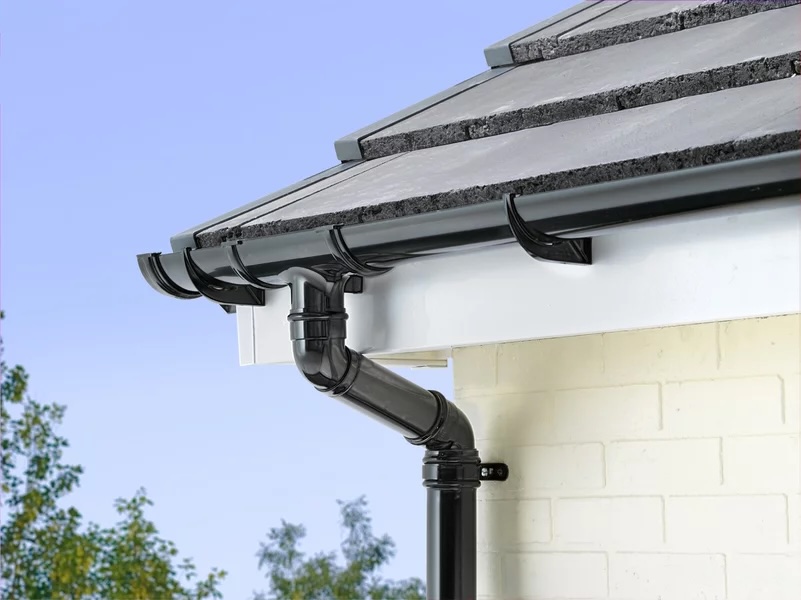
Residential gutters play a crucial function in safeguarding homes from water damage. Developed to transport rainwater away from the roof and structure, gutters are important for keeping a home’s structural integrity. This blog site post explores various elements of residential gutters, covering their value, different types, maintenance ideas, and answers to regularly asked concerns.
Why Are Residential Gutters Important?
Gutters serve a number of vital functions that contribute to the durability and safety of a residential home. Here is a comprehensive breakdown of their significance:
| Function | Description |
|---|---|
| Water Diversion | Gutters direct rainwater away from the roof, avoiding pooling around the foundation. |
| Foundation Protection | By directing water away, gutters reduce the danger of basement flooding and structure disintegration. |
| Roof Longevity | Appropriately operating gutters can prevent roof leakages and extend the life of the roofing material. |
| Landscape Preservation | They assist keep landscaping by avoiding soil erosion and safeguarding plants from drowning. |
| Bug Control | Gutters that are devoid of debris hinder pests like mosquitoes and rodents that grow in stagnant water. |
Understanding the significance of gutters highlights why homeowners must consider them when preparing their houses.
Types of Residential Gutters
Gutters can be found in numerous types, materials, and designs. Below is a table describing the most common kinds of residential gutters:
| Gutter Type | Material | Description | Pros | Cons |
|---|---|---|---|---|
| K-Style Gutters | Vinyl, Aluminum, Copper | The most popular gutter style, resembling a flat-bottomed “K” shape. Frequently installed in residential settings. | Visual appeal, higher capability | Can end up being dinged up, specifically in metal variations. |
| Half-Round Gutters | Copper, Galvanized Steel | Semi-circular gutters that are reliable for water drainage. Often seen in historical homes. | Standard look, simple to tidy | Lower capacity, more susceptible to leaks. |
| Box Gutters | Galvanized Steel, Copper | Frequently constructed into the roof structure, these gutters are wider and can manage larger volumes of water. | Hidden, minimum exposure | More costly, intricate installation |
| Seamless Gutters | Aluminum | Constant gutters installed without joints, reducing the possibilities of leakages. | Less maintenance, adjustable sizes | Requires professional installation |
| Fascia Gutters | Aluminum | Developed to be attached directly to the fascia board, supplying a sleek look and efficient water management. | Elegant, incorporated with home design | Restricted capacity, prospective overflow in heavy rain. |
Picking the right kind of gutter is important for satisfying a home’s unique drainage needs.
Maintenance Tips for Residential Gutters
To ensure gutters work efficiently, appropriate maintenance is essential. Here’s a list of maintenance suggestions to keep gutters in top shape:
Regular Cleaning: Clean gutters a minimum of twice a year– once in spring and once in fall. Get rid of particles like leaves, twigs, and dirt.
Look for Leaks: Look for signs of leakages, particularly at joints or around downspouts. Little leakages can normally be repaired with sealant.
Check for Clogs: Ensure that downspouts are clear of obstructions. Running water through them can assist identify any clogs.
Trim Nearby Trees: Regularly trim trees that hang over your house to avoid falling leaves and branches from blocking gutters.
Install Gutter Guards: Consider including gutter guards to lower particles build-up and decrease cleaning frequency.
Check Alignment: Inspect the slope of gutters to make sure appropriate water drainage. Gutters must slope slightly towards the downspouts.
Winter Preparation: In cooler environments, inspect gutters for ice dam buildup and Rain Gutters (Www.Demilked.Com) guarantee they are clear before winter season.
Professional Maintenance: Schedule periodic professional evaluations to recognize and attend to prospective concerns before they escalate.
Following these maintenance suggestions can extend the life expectancy of gutters and decrease the risk of pricey repairs.
Frequently Asked Questions (FAQ) about Residential Gutters
1. How frequently should I clean my gutters?
It’s recommended to clean your gutters at least two times a year– when in the spring and once in the fall. However, if you have many trees near your house, you might need to do it more often.
2. What are the indications that my gutters need repairs?
Signs include water discolorations on the outside walls or ceilings, peeling paint, drooping gutters, or noticeable cracks and dents.
3. Can I set up gutters myself?
While DIY installation is possible, it needs specific tools and abilities. Hiring a professional is suggested for a seamless installation and to prevent errors.
4. What are gutter guards, and do I need them?
Gutter guards are protective covers that prevent particles from going into gutters. While they can reduce maintenance, they are not essential for all homes.
5. How can I avoid my gutters from obstructing?
Routine cleaning, setting up gutter guards, and Gutter Guards Installation trimming overhanging trees can help avoid blockages.
6. What is the typical expense of setting up gutters?
The expense can differ commonly depending upon the material and size of the home, but typically, property owners can anticipate to pay in between ₤ 800 and ₤ 2,000.
7. Do all homes require gutters?
Most homes gain from gutters, specifically in locations with considerable rains. Nevertheless, some homes with specific architectural functions or Commercial gutters (diigo.Com) environments may not need them.
8. How can I inform if my gutters are sloped properly?
An easy water test can help; run water through the gutters and observe if it flows toward the downspouts. A slight slope (1/4 inch for every single 10 feet) is ideal.
Residential gutters are an important yet often ignored element of home maintenance. They not just safeguard against water damage but likewise enhance the appearance of the home. By understanding the various types, maintenance requirements, and resolving common questions, house owners can guarantee their gutters perform effectively, protecting their financial investment for years to come. Being proactive will invariably lead to a longer life-span for both the gutters and the entire home.