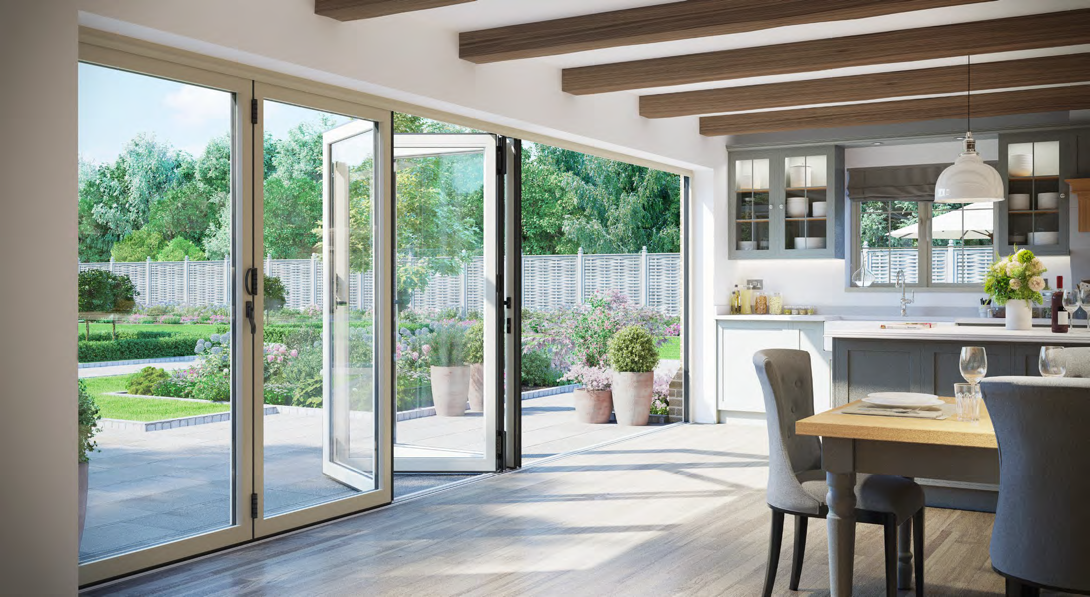
Local Folding Door Installers
Add a review FollowOverview
-
Sectors Telecom
-
Posted Jobs 0
-
Viewed
Company Description
What’s The Current Job Market For Interior Door Installation Professionals Like?
Interior Door Installation: A Comprehensive Guide
Setting up an interior door is a vital action in boosting the performance and aesthetics of a home. Whether it’s to separate spaces, enhance personal privacy, or include an ornamental aspect, the best door installation can make a considerable difference. This short article will provide an in-depth introduction of the interior door installation procedure, consisting of required tools, steps to follow, typical difficulties, and FAQs.
Why Install Interior Doors?
Interior doors serve various functions in a home, consisting of:
- Privacy: They provide separation between home.
- Soundproofing: They can help in reducing sound between rooms.
- Safety: They can secure specific areas, particularly if children or animals are present.
- Looks: Different designs of Custom Bifold Doors can boost interior decor.
Tools Required for Installation
Before beginning the installation, it’s vital to collect the necessary tools. Here’s a list of items you’ll require:
- Measuring Tape
- Level
- Screwdriver (Phillips and Flathead)
- Hammer
- Sculpt
- Wood Glue (optional)
- Saw (Hand saw or Power saw)
- Drill (with bits)
- Pry Bar
- Stud Finder
- Security Goggles
- Dust Mask
| Tool | Function |
|---|---|
| Measuring Tape | For determining door frame and door |
| Level | To make sure the door is directly |
| Screwdriver | For attaching hinges and knobs |
| Hammer | To drive in nails if necessary |
| Chisel | For mortising hinges |
| Saw | For cutting the door or frame |
| Drill | For developing pilot holes |
Actions for Installing an Interior Door
1. Select the Right Door
Before anything else, select a door that fits the desired space in terms of size, style, and product. Typical materials include:
- Solid wood
- Hollow core
- Composite
- Glass panel
2. Step the Door Frame
Accurate measurements are important for an appropriate fit. Procedure the height and width of the door frame. Make a note of the door swing instructions (inward or outside).
3. Purchase the Door
Once you have the measurements, head to a hardware store or home enhancement center. Make sure to confirm the requirements when selecting your door.
4. Remove the Old Door (if relevant)
If you are replacing an old door, carefully remove it from the hinges. This might involve:
- Unscrewing the hinge screws
- Using a pry bar to assist in removal
5. Prepare the Door Frame
Examine the door frame for any damage or rot. If needed, make repairs before continuing. You might require to:
- Adjust the frame with shims
- Change any damaged sections
6. Mortise for Hinges
If your brand-new door doesn’t come pre-mortised for hinges, use a chisel to produce the essential recesses. Typically, hinges are located 7 inches from the top and 11 inches from the bottom of the door.
7. Hang the Door
- Connect the Hinges: Start by protecting the top hinge to the door, then to the door frame.
- Examine Alignment: Use a level to ensure that the door is hanging directly. Change accordingly by including shims.
8. Install the Doorknob and Lockset
Follow the manufacturer’s instructions for installing the doorknob and lockset. This frequently includes drilling holes and securing hardware with screws.
9. Check the Door
Open and close the door a number of times to ensure it swings efficiently and latches correctly. Make changes as essential.
10. End up
If there are spaces around the Contemporary Door Installers frame, use caulk to seal them. Optionally, paint or stain the door for a polished appearance.
Typical Challenges in Door Installation
- Unreliable Measurements: This can trigger Bifold Closet Doors to be too large or too little.
- Misalignment: Hinges might not align properly, causing the door to bind.
- Door Swing Issues: Ensure the door opens in the desired direction without blockage.
Frequently Asked Questions About Interior Door Installation
Q1: How long does it require to set up an interior door?
A: The time needed for installation can differ depending upon experience and the condition of the existing frame. Typically, the procedure could take between 1 to 3 hours.
Q2: Can I install an interior door alone?
A: While it’s possible to install a door solo, having an assistant can make the job much easier, especially when it pertains to positioning the door.
Q3: What type of door fits basic sizes?
A: Standard interior doors normally are available in sizes such as 28″, 30″, 32″, and 36″ in width. Heights frequently hover around 80″.
Q4: Is it needed to sand the door?
A: Yes, sanding is advised, especially if painting or staining is included. It assists create an even surface.
Q5: What should I do if my door does not fit?
A: If the door is too large, you may require to trim it down to size. If it’s too small, changes to the frame or a new door may be needed.
Interior door installation might seem daunting, however with the right tools, products, and persistence, it can be a fulfilling DIY job. With proper planning and execution, house owners can enhance their home’s performance and design, developing areas that reflect their personal taste and needs. By understanding the installation procedure, individuals can tackle this home improvement project with confidence.