

Lock Repair Near Me
Add a review FollowOverview
-
Sectors Sales
-
Posted Jobs 0
-
Viewed
Company Description
Door Repairing Isn’t As Difficult As You Think
The Comprehensive Guide to Door Repairing: Techniques, Tools, and Tips
Door repair is a vital ability that every homeowner or home supervisor must master. Doors function as the first line of defense versus external elements, yet they are frequently considered granted until a problem arises. Whether it’s squeaking hinges, a misaligned frame, or a lock that won’t engage, understanding door repair can save time and money. In this article, we will check out common door issues, tools needed for repairs, detailed treatments, and often asked questions regarding door repair.
Common Door Repair Issues
Before diving into the repair methods, it’s important to recognize the common problems that homeowners might experience with doors. Here’s a list of the most common issues:
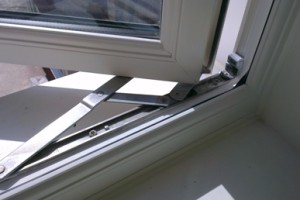
- Squeaky Hinges
- Misaligned Doors
- Sticking or Binding Doors
- Broken Locks or Handles
- Harmed Door Frames
- Peeling or Damaged Paint
Table 1: Common Door Issues and Their Symptoms
| Issue | Symptoms | Prospective Causes |
|---|---|---|
| Squeaky Hinges | Sound when opening/closing | Lack of lubrication, wear |
| Misaligned Doors | Gaps at the top or bottom | Settling foundation, loose hardware |
| Sticking or Binding Doors | Difficulty in opening/closing | Humidity, warped wood |
| Broken Locks or Handles | Difficulty locking/unlocking | Damaged mechanism, rust |
| Damaged Door Frames | Visible fractures or damages | Effect damage, weather condition exposure |
| Peeling or Damaged Paint | Breaking or flaking | Age, moisture damage |
Tools Required for Door Repair
Having the right tools is vital for effective door repair procedures. Below is a detailed list of tools every DIY lover ought to have:
- Screwdriver Set— Both flat-head and Phillips.
- Hammer— For gentle persuasion of door frames and hardware.
- Pliers— To grip and twist any persistent screws or pins.
- Allen Wrench Set— For any furnishings hinges or locks that need specific hex keys.
- Lube— Such as WD-40 for squeaky hinges.
- Wood Glue— For minor repairs in the door frame.
- Sandpaper— For smoothing out rough edges or surfaces.
- Painting Supplies— For refinishing overly broke doors or frames.
- Level— To ensure positioning during repairs.
Table 2: Tools for Door Repair and Their Uses
| Tool | Usage |
|---|---|
| Screwdriver Set | Tightening or eliminating screws |
| Hammer | Adjusting and fitting components |
| Pliers | Manipulating small parts |
| Allen Wrench Set | Tightening hex screws |
| Lube | Reducing friction on hinges |
| Wood Glue | Repairing harmed areas |
| Sandpaper | Smoothing surface areas |
| Painting Supplies | Retouching or entirely refinishing |
| Level | Inspecting positioning of doors |
Step-by-Step Guide to Common Door Repairs
1. Repairing Squeaky Hinges
A squeaky door hinge can be bothersome but is reasonably basic to address.
Actions:
- Apply a couple of drops of lubricant on the hinge.
- Open and close the door a couple of times to work in the lubricant.
- Clean off any excess lubricant with a fabric.
2. Straightening Misaligned Doors
If a door does not close correctly, it might be misaligned.
Actions:
- Use a level to examine the alignment.
- If misaligned, loosen the screws on the hinges slightly.
- Change the position of the door.
- Retighten the screws and check alignment again.
3. Fixing Sticking or Binding Doors
Humidity can cause wood doors to broaden and stick.
Steps:
- Identify the sticking point by closing the door slowly.
- Mark the area where it binds with a pencil.
- Gently sand down the area till the door opens efficiently.
- Repaint or seal if essential.
4. Repairing Broken Locks
Broken locks can compromise security.
Actions:
- Remove the lock from the door utilizing a screwdriver.
- Check for broken elements; change if necessary.
- Reinstall the lock and ensure it engages properly.
5. Repairing Damaged Door Frames
A broken door frame can cause bigger issues.
Actions:
- Assess the damage; for small fractures, use wood glue to fill.
- Usage clamps to hold the area till it dries.
- Patch with wood filler if required and sand smooth.
6. Refinishing Peeling Paint
Aesthetic appeals matter, too.
Actions:
- Remove any loose paint with a scraper.
- Sand the area smooth.
- Tidy the surface and use new paint or stain.
Frequently Asked Questions (FAQs)
Q1: How do I understand if I require to change my door rather of repairing it?
A1: If the door is distorted, thoroughly cracked, or damaged beyond repair, it might be more cost-efficient to change it.
Q2: Can I fix a door myself, or should I work with a professional?
A2: Many typical door concerns can be dealt with as DIY jobs. However, if you’re unpleasant with window glass repairs or the damage is substantial, working with a professional is a good idea.
Q3: What are the best lubes for door hinges?
A3: WD-40, silicone spray, and graphite powder are outstanding lubricants for door hinges.
Q4: How can I avoid my doors from sticking in the future?
A4: Ensure appropriate ventilation and maintain a constant indoor humidity level. Regularly examine hinges and locks for wear and lubricate them.
Q5: Is it needed to repaint or stain my door after repairs?
A5: While not always required, refinishing your door after repairs can enhance aesthetics and protect the wood from wetness and other elements.
Both aesthetic appeal and practical integrity are critical for doors in any home. Regular maintenance and prompt repairs can result in a longer lifespan for your doors. By understanding typical issues and possessing fundamental repair skills, property owners can have self-confidence in their capability to keep their residential or commercial property successfully.